

OE, OEM, and Aftermarket Spare Parts: advantages, comparison, and smart choice
OE, OEM, and Aftermarket Spare Parts: advantages, comparison, and smart choice
In the industrial and commercial vehicle maintenance and repair sector, choosing the right spare part is essential to ensure safety, efficiency, and durability.
Terms like OE, OEM, and Aftermarket are frequently used and are probably familiar to many readers. However, they are not always entirely clear to those who do not work daily in the world of spare parts or vehicle maintenance. In this article, we explain in detail what these acronyms mean, what the differences are between the various types of parts, and how to make the smartest choice for your vehicle or fleet.
OE – Original Equipment (Genuine Parts)
OE (Original Equipment) parts, also known as “genuine” parts, are components supplied directly by the vehicle manufacturer (for example, IVECO, Mercedes-Benz, Volvo) and are the same as those installed during the original assembly. These parts feature the brand’s logo and come in their official packaging.
Key features of OE parts:
- Comply with the vehicle manufacturer’s quality standards.
- Official packaging and identification code.
- Perfect compatibility and guaranteed approval.
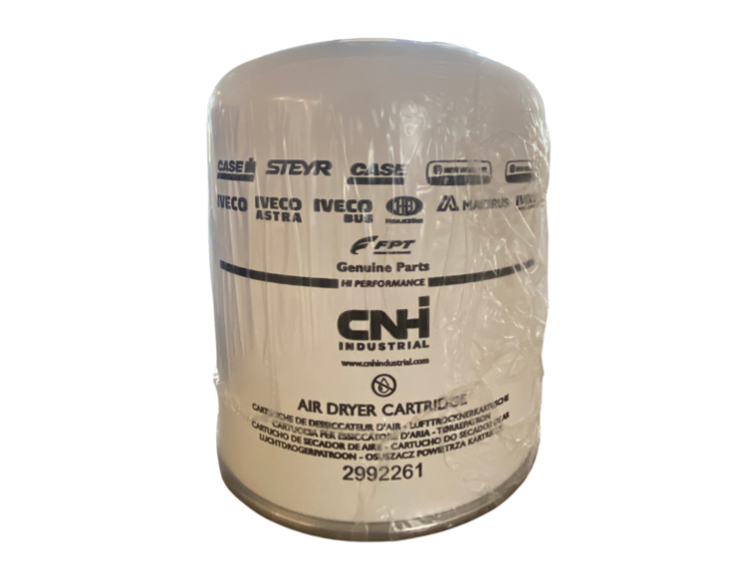
Advantages and disadvantages of OE parts
Advantages:
- Maximum safety and compatibility
- They are exactly the same as the parts being replaced
Disadvantages:
- Generally higher price than other options
- Limited availability or longer delivery times in some cases
OEM – Original Equipment Manufacturer
OEM parts are manufactured by the same suppliers who produce components for the vehicle manufacturer, but they are sold under the supplier’s brand, not the vehicle manufacturer’s brand. For example, if a CNH filter is made by KNORR-BREMSE, the OEM part will be that same filter, but with the KNORR-BREMSE logo.
Features of OEM parts:
- Same quality, materials, and specifications as OE parts
- More competitive price
- Packaging and branding from the original component manufacturer (not the vehicle brand)
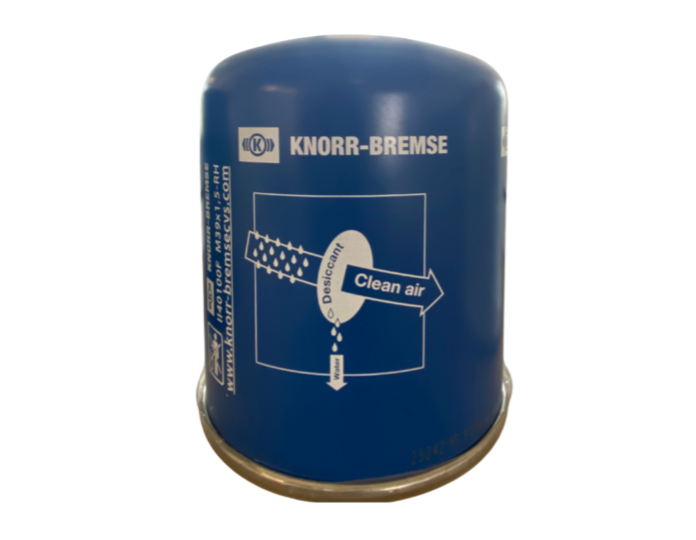
Advantages and disadvantages of OEM parts
Advantages:
- Reliability equivalent to OE parts
- Lower cost, with significant savings
- Identical compatibility and performance to the original parts
Disadvantages:
- Do not carry the vehicle manufacturer’s logo, which may cause doubts
- Not always available for all models or markets
Aftermarket – Equivalent Parts
Aftermarket parts are manufactured by independent companies that do not supply components as original equipment but produce compatible parts with OE/OEM standards. Some companies acquire licenses or blueprints to manufacture equivalent parts; others develop alternative designs.
Features of Aftermarket parts:
- Wide variety of manufacturers and variable quality
- Lower costs and a broad price range
- Available even for older vehicles or those no longer in production
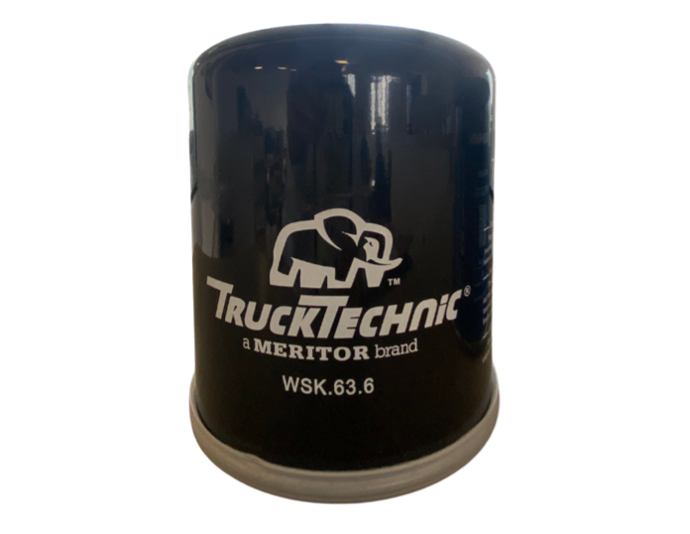
Advantages and disadvantages of aftermarket parts
Advantages:
- Much more affordable than OE and OEM parts
- Some components may offer better performance than the originals
- Wide selection of manufacturers
Disadvantages:
- Quality is not always consistent; some may use inferior materials
- May not come with a warranty
- Compatibility risks if the brand is not well known
Which one to choose?
The answer depends on each customer’s needs:
- If the priority is full warranty and official approval, the best choice is an OE part.
- If you want the same quality at a more competitive price, OEM is the ideal option.
- If you’re looking for cost-effective solutions, especially for older vehicles or those with frequent maintenance, a good Aftermarket part from a reliable brand can be more than sufficient.
Informative Note
In this article, we differentiate OE, OEM, and Aftermarket parts based on widely established technical and commercial criteria. However, there is no absolute or universal classification. Some companies, such as Knorr-Bremse, while not technically OE for all manufacturers, are perceived as such due to their widespread presence, reputation, and quality.
This perception may vary depending on the market, the operator’s experience, and local practices. The aim of this guide is to offer orientation tools, not to impose a single truth, and to promote a more conscious understanding—especially for those who are approaching the world of spare parts for the first time.
The value of technical advice
Choosing ECS Export means trusting a competent and transparent partner, ready to support you anywhere with customized solutions and guaranteed quality.
Choosing the right spare part is not always easy. The multitude of codes, versions, construction variants, and compatibilities makes selection complex—especially in the vast aftermarket universe, where quality can vary significantly between manufacturers.
In this context, relying on expert and highly specialized suppliers such as ECS Export represents a strategic advantage.
With an extensive network of suppliers and a constantly expanding portfolio, we guarantee fast responses, flexible international logistics, and continuous technical support, both before and after the sale.
In 2025 we also launched ORANGE the first Aftermarket product under the ECS brand, the result of our technical expertise and ongoing search for reliable, effective, and accessible solutions.
Frequently Asked Questions (FAQ)
1. What is the main difference between OE and OEM spare parts?
OE (Original Equipment) parts are sold directly under the vehicle manufacturer’s brand and packaging. OEM (Original Equipment Manufacturer) parts are produced by the same manufacturer but sold under the component supplier’s brand. Technically, the quality and specifications are often identical.
2. Are OEM parts as reliable as OE parts?
Yes. In most cases, OEM parts are manufactured using the same materials, standards, and production processes as OE parts. The main difference lies in branding and packaging, not in performance or reliability.
3. Are aftermarket spare parts safe to use?
Aftermarket parts can be safe and reliable if sourced from reputable manufacturers. However, quality may vary significantly between brands, so it is important to rely on trusted suppliers who carefully select their products.
4. Why are OE parts usually more expensive?
OE parts typically cost more because they include the vehicle manufacturer’s branding, official approval, and distribution channels. The higher price does not always mean higher quality compared to OEM parts.
5. Can using aftermarket parts void the vehicle warranty?
This depends on the manufacturer’s warranty terms and local regulations. In many cases, using high-quality equivalent parts does not automatically void the warranty, but it is always advisable to verify the specific conditions.
6. How can I ensure compatibility when choosing spare parts?
Compatibility should be verified through original part numbers, VIN numbers, technical codes, and professional consultation. Working with experienced suppliers helps avoid costly mistakes.
7. Which type of spare part is best for older vehicles?
For older or discontinued vehicles, aftermarket parts are often the most practical and cost-effective solution, as OE parts may be unavailable or excessively expensive.
8. Is it possible for an aftermarket part to perform better than the original?
In some cases, yes. Certain aftermarket manufacturers improve materials or designs based on updated technologies, potentially offering enhanced durability or performance compared to the original component.